
Counselling + Hypnotherapy: Why This Combination Works So Well in Modern Therapy
10 Mar 2026
If you explore my work at The Minds Matter, you will notice something.
I offer clinical counselling.
And I also offer clinical hypnotherapy.
Naturally, people ask:
“Do I have to choose one?”
Short answer: no.
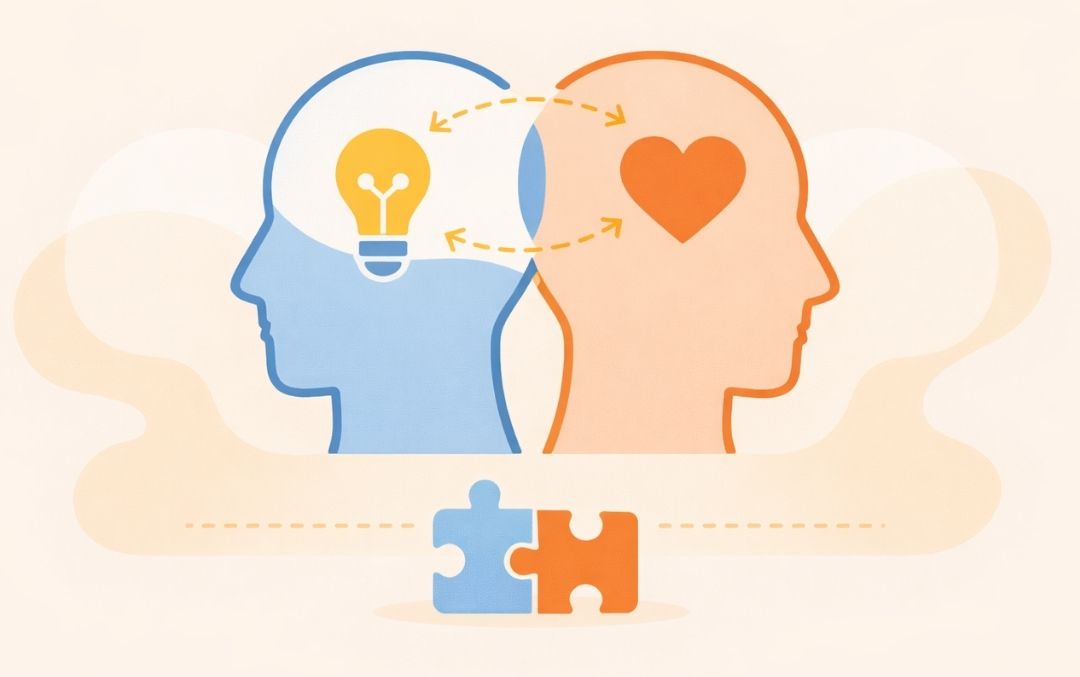
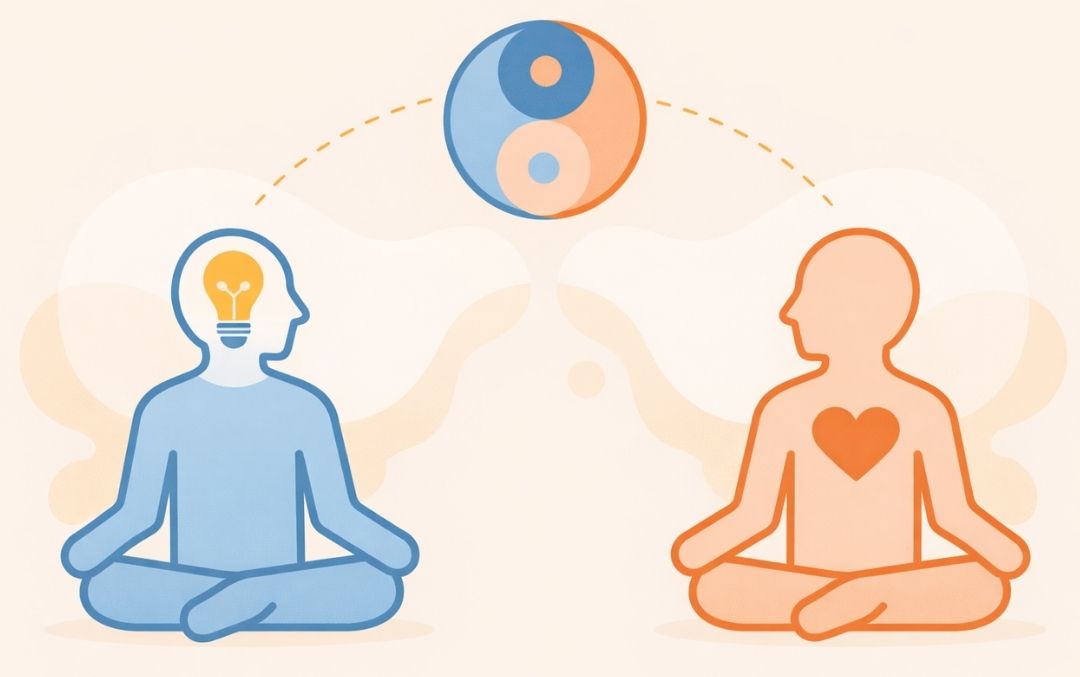
In my work, these two approaches often support each other beautifully. Almost like yin and yang.
Counselling helps us understand what is happening.
Hypnotherapy sometimes helps us feel and integrate that understanding.
And when those two processes come together, therapy often becomes more experiential and less purely intellectual.
In my virtual counselling practice, The Minds Matter, I often integrate counselling and clinical hypnotherapy to support clients across Canada who are working through stress, anxiety, trauma, and emotional overwhelm.
Let me show you what I mean.
Therapy Is Not Just About Thinking
Many people who come to therapy are already very insightful.
You might say things like:
“I know why I react this way.”
“I understand where this pattern comes from.”
“Logically I know it shouldn’t bother me.”
And yet the reaction still happens.
Your mind understands.
But your body still tightens.
Your emotions still respond.
The pattern still repeats.
This is not a failure of therapy.
It simply means insight has arrived before emotional integration.
Understanding something and feeling it shift are not always the same step.
This is where hypnotherapy can become a powerful companion to counselling.
Counselling Works With the Conscious Mind
Counselling gives us space to slow down and reflect.
We talk about:
- experiences
- beliefs
- emotional patterns
- relationships
- the stories we carry about ourselves
Sometimes therapy feels like untangling a knot.
You pull one thread.
Then another.
Gradually the pattern becomes clearer.
Counselling brings awareness.
And awareness is powerful.
But sometimes awareness alone doesn’t move the emotional system.
That’s where deeper experiential work can help.
Hypnotherapy Works With the Subconscious Layers
Hypnotherapy works with the quieter layers of the mind.
The place where:
- emotional associations live
- automatic reactions form
- habits develop
- beliefs quietly shape our responses
When someone enters a relaxed and focused hypnotic state, the mind often becomes calmer.
Less analytical.
Less distracted.
In that quieter state, people often begin to notice things they usually rush past.
Sensations in the body.
Emotions that haven’t had space to speak.
Memories or meanings connected to a reaction.
It becomes easier to experience what is happening, not just explain it.
And sometimes that shift is exactly what the system needs.
Clinical hypnotherapy, when practiced ethically and within a counselling framework, is simply a structured way of helping the mind access deeper emotional processing and nervous system regulation.
Two Ways Hypnotherapy Often Supports Counselling
In my work, hypnotherapy usually complements counselling in two key ways.
1. When Something Feels Real but Hard to Explain
Sometimes people arrive in therapy with reactions that feel confusing.
You might notice things like:
- fears that don’t quite make sense
- emotional triggers that appear suddenly
- sleep disturbances
- jaw clenching or body tension
- anxiety that seems to appear without warning
Counselling helps us explore the situation intellectually.
But sometimes the root of the experience lives deeper in the emotional or somatic system.
Hypnotherapy can help us gently move closer to that layer.
Not dramatically.
More like lowering the volume of everyday thinking so we can listen more carefully.
What This Might Look Like in Real Life
Imagine you notice a tight knot in your chest every time you speak in a meeting.
You know your colleagues are supportive.
You’ve even talked about this pattern before.
And yet, the moment comes… and your body reacts.
Your chest tightens.
Your jaw clenches.
Your mind suddenly goes blank.
In counselling, we might explore:
- when this reaction first started
- what belief sits underneath it
- what experiences may have shaped that response
But during hypnotherapy, we might slow the process down even further.
You might notice where the tightness sits in your body.
You might begin to sense what memory or feeling it connects to.
You might discover what your system learned long ago about being seen, speaking up, or being judged.
Sometimes we pause there.
Acknowledging the impact that belief has had on your life.
Allowing yourself to forgive the coping belief that once protected you.
Because at some point, that belief likely helped you survive something.
Then slowly, we begin to introduce new possibilities.
What might it feel like to carry a different belief?
What would your body feel like if speaking up felt safer?
Hypnotherapy allows the mind to experience that possibility, not just think about it.
And sometimes that experience is what allows the system to loosen its grip on an old pattern.
2. When You Understand What Happened — But Still Feel Stuck
This is another situation I see often.
Someone might say:
“I know what happened.”
“I understand why I react this way.”
“But I still feel like I’m carrying it.”
Insight is already there.
But the emotional weight remains.
Hypnotherapy can help us slow the mind down enough to stay with the feeling, instead of quickly analyzing it.
We might explore:
- where the emotion lives in your body
- what that feeling is trying to communicate
- what belief or internal story is connected to it
- what part of you may still be protecting something
Sometimes the work involves imagery.
Sometimes gentle emotional processing.
Sometimes simply allowing the nervous system to sit with an experience long enough for it to shift naturally.
Many people describe this moment as when therapy begins to feel more alive.
Less like talking about life.
More like experiencing change within it.
Did You Know? (A Small Psychology Plot Twist)
Sigmund Freud — often called the father of psychoanalysis — actually started his career experimenting with hypnosis.
Yes. Hypnosis.
Early in his career he used hypnotic techniques to help patients access emotional memories.
Eventually he moved away from hypnosis and developed the talk-based methods that later became psychoanalysis.
Modern therapy inherited a lot from that shift.
But psychology has also evolved.
Today many therapists recognize that healing often involves both understanding and experience.
In a way, therapy has come full circle.
And if Freud ever shows up at a psychology trivia night, I’ll happily remind him that hypnotherapy never left my toolbox.
(Anjali: 1. Freud: 0.)
A Small Secret: Counselling Already Uses Some Hypnotic Principles
Even therapists who are not trained in hypnotherapy often use elements of it without realizing.
Think about moments in therapy when a counsellor invites you to:
- pause and take a breath
- notice what you feel in your body
- imagine a different perspective
- slow down and reflect inward
Those moments already draw on similar psychological processes.
Focused attention.
Guided awareness.
Emotional processing.
Hypnotherapy simply leans into these processes more intentionally.
Trauma-Informed Care Always Comes First
Whenever we work with deeper emotional layers, safety matters.
Everything I do — whether counselling or hypnotherapy — sits within a trauma-informed framework.
That means we consider:
- emotional readiness
- pacing
- nervous system regulation
- integration after deeper work
Sometimes meaningful therapy can stir emotions.
That is normal.
Part of my role is ensuring the process stays supported, contained, and manageable.
Healing should challenge the system gently — not overwhelm it.
What This Means For You
If you begin therapy with me, you don’t have to choose between counselling and hypnotherapy.
We begin with conversation.
We explore what is happening.
If hypnotherapy feels helpful at some point, we may gently integrate it — always with your consent.
Some sessions remain entirely conversational.
Others include experiential work.
The process adapts to what you need in that moment.
At The Minds Matter, my goal is to create a therapeutic space where both conscious understanding and deeper emotional processing can work together to support lasting change.
You are not booking a technique.
You are entering a process where we work together to understand your experiences and help your system move toward change.
About the Author:
Anjali Nagda is the Founder and Lead Clinician at The Minds Matter. She is a Canadian Certified Counsellor (CCC) and Registered Clinical Counsellor (RCC), offering virtual counselling to adults across Canada. Her work is grounded in clinical psychology and shaped by integrative, trauma-informed practice, supporting clients with anxiety, emotional overwhelm, and life transitions through ethically held, responsive counselling sessions.

Anjali Nagda
Anjali Nagda is the Founder and Lead Clinician at The Minds Matter. She is a Canadian Certified Counsellor (CCC) and Registered Clinical Counsellor (RCC), offering virtual counselling to adults across Canada.
Related Blogs
No related blogs available.