When the Crash Comes Later: Delayed Stress After a Motor Vehicle Accident in Alberta
06 Apr 2026
After a motor vehicle accident, most people expect the hardest part to happen immediately.
The collision.
The shock.
The injuries.
But for many people, the experience unfolds differently.
They handle everything.
They call insurance.
They schedule appointments.
They manage paperwork.
They figure out next steps.
From the outside, it looks like they’re coping well.
Then days — sometimes weeks — later, something shifts.
Sleep becomes harder.
The mind won’t slow down.
Small things start feeling overwhelming.
And people often find themselves wondering:
Why am I struggling now when I seemed fine earlier?
If you’ve experienced this after a motor vehicle accident in Alberta, you’re not alone.
And there’s a very real reason it happens.
When the Nervous System Goes Into Action Mode
Not everyone responds to an accident by freezing.
Some people do the opposite.
Their nervous system moves into action mode.
During a stressful event, the body releases stress hormones like adrenaline and cortisol.
These chemicals help people:
- stay alert
- solve problems
- make decisions quickly
In the hours and days after a collision, this response can actually be helpful.
It helps people navigate the many things that suddenly require attention.
Your system is doing what it was designed to do.
It’s helping you get through the situation.
But the Body Cannot Stay in Survival Mode Forever
The nervous system is built for short bursts of stress.
Not for living there.
Once the immediate urgency settles, the body begins trying to return to balance.
And sometimes that’s when the nervous system finally begins processing what happened.
People may start noticing:
- restlessness
- sleep changes
- fatigue
- irritability
- difficulty concentrating
It can feel confusing — especially if everything seemed manageable at first.
In reality, your system may simply be catching up.
A Thought That Often Helps People Understand This
In many cultures, difficult life events are followed by rituals that create space to pause.
After a death, for example, there are often gatherings, traditions, and time set aside for grief.
These rituals give the mind and body permission to slow down and process what has happened.
After a motor vehicle accident, something very different happens.
People are immediately pulled into logistics.
Phone calls.
Forms.
Appointments.
Insurance processes.
All of those things are important.
But they can also leave very little space for the nervous system to process the event itself.
Sometimes the body only begins doing that later, once life becomes quieter again.
Why Symptoms Sometimes Appear Weeks Later
When life slows down, the nervous system finally begins moving out of survival mode.
That’s when some people start noticing the impact of the accident more clearly.
This delayed response is common after stressful experiences.
It doesn’t mean you handled the accident incorrectly.
It simply means your system took time to move out of high alert.
One Small Way to Help Your Nervous System Settle
When the body has been in high alert for a while, it sometimes needs help recognizing that the emergency has passed.
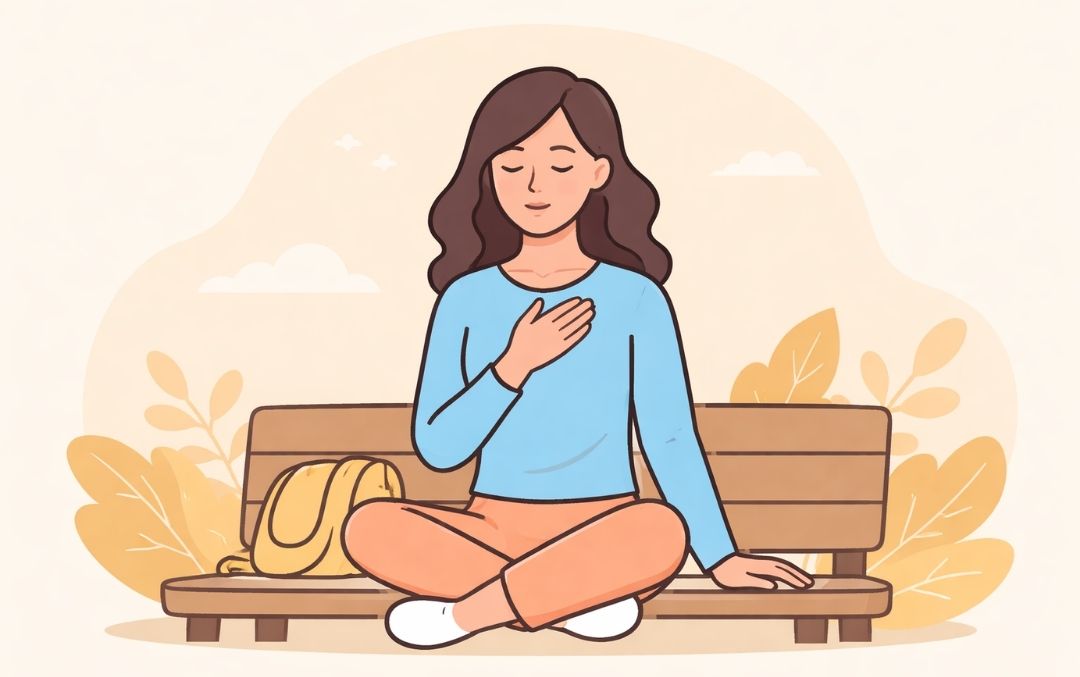
One simple way to support your nervous system is lengthening your exhale.
Try this for a minute or two:
Breathe in normally through your nose.
Then allow your exhale to be slightly slower and longer than your inhale.
Longer exhales signal safety to the nervous system.
It’s a small shift, but it can help the body begin settling again.
When Support Can Help
Recovery after a motor vehicle accident often involves many professionals.
Physicians.
Physiotherapists.
Insurance representatives.
Sometimes legal teams.
Counselling focuses on something that can easily be overlooked in that process:
the psychological impact of the accident.
Motor vehicle accident counselling can help people:
- understand their stress responses
- process the shock of the collision
- regain clarity while navigating recovery
Why I Created the Motor Vehicle Accident Recovery Program
Over time, working with people after motor vehicle accidents in Alberta, I noticed something important.
Many people were managing the practical side of recovery while their nervous system was still catching up with the event itself.
Sometimes symptoms only appeared days or weeks later.
And when they did, people often felt unsure where to turn.
This is one of the reasons I created the Motor Vehicle Accident Recovery Program at The Minds Matter.
The goal is simple.
To provide a space where people can process the psychological impact of a collision while they are navigating everything else involved in recovery.
If you’re experiencing delayed stress after a motor vehicle accident, you don’t have to figure it out alone.
You’re welcome to learn more about the program or schedule a complimentary 30-minute consultation call with me.
Sometimes the first step toward recovery is simply understanding what your mind and body are going through.
Lead Clinician, The Minds Matter
Virtual counselling services across Canada supporting individuals navigating stress, trauma, and recovery after motor vehicle accidents in Alberta.

Anjali Nagda
Anjali Nagda is the Founder and Lead Clinician at The Minds Matter. She is a Canadian Certified Counsellor (CCC) and Registered Clinical Counsellor (RCC), offering virtual counselling to adults across Canada.
Related Blogs
No related blogs available.