Feeling Overwhelmed After a Motor Vehicle Accident in Alberta
23 Mar 2026
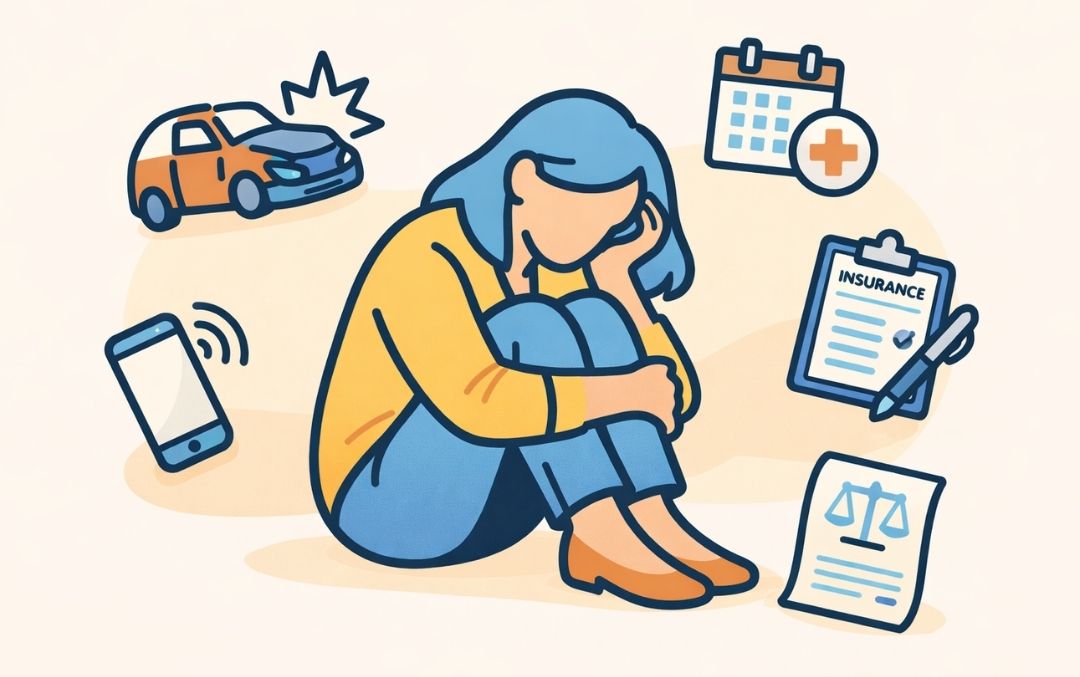
If you’ve recently been in a motor vehicle accident in Alberta and everything that needs to happen next feels overwhelming, you’re not alone.
After a collision, people are suddenly expected to deal with many things at once.
Medical appointments.
Insurance forms.
Phone calls.
Documentation.
Sometimes legal consultations.
Sometimes physiotherapy.
All of this can begin while your body and mind are still processing what just happened.
A motor vehicle accident can be frightening and disorienting — even when injuries appear minor at first.
On paper, these steps exist to help people recover.
But in real life, the process can feel like too much to hold at once.
When the Nervous System Goes Into Shock
A motor vehicle collision is not just a logistical event.
It’s also a nervous system event.
During an accident, the body often releases stress hormones such as:
Adrenaline.
Cortisol.
Heightened alertness.
For some people, this surge pushes them into action.
They start calling insurers.
Scheduling appointments.
Researching their options.
For others, the nervous system reacts differently.
Instead of action, it goes into freeze.
This can look like:
- mental fog
- difficulty concentrating
- emotional numbness
- trouble making decisions
- avoiding phone calls or paperwork
When this happens, even simple tasks can feel overwhelming.
Many people start asking themselves:
“Why can’t I just deal with this?”
Often the answer is simple.
Your nervous system may still be processing the shock of the accident.
The System Moves Fast — Your Mind Might Not
In Alberta, the weeks after a motor vehicle accident often involve coordinating several things at once.
People may need to:
- seek medical care
- report the accident to insurance
- complete accident benefit paperwork
- begin physiotherapy
- document symptoms or treatments
These steps are meant to support recovery.
But the system assumes something important.
It assumes people have the capacity to manage all of this right away.
After an accident, that capacity is not always there.
When the body is dealing with shock, pain, or overwhelm, the brain may struggle with:
- organization
- memory
- decision making
- motivation
This is not laziness.
It’s often the nervous system trying to regain stability.
When Overwhelm Slows Things Down
When the process feels too complicated, people often begin to withdraw.
Phone calls get delayed.
Paperwork piles up.
Appointments feel exhausting.
Some people start feeling ashamed that they are “falling behind.”
But the issue is rarely motivation.
It’s capacity.
Your mind and body may still be trying to make sense of what happened.
Where Counselling Can Help
Motor vehicle accident counselling is not only about talking through emotions.
In the early stages after a collision, counselling can help people:
- process the shock of the accident
- calm the nervous system
- regain clarity and focus
- break down next steps into manageable pieces
Many people later seek motor vehicle accident counselling in Alberta when the emotional impact of the accident begins to surface.
Sometimes what helps most is simply slowing things down and creating space to think clearly again.
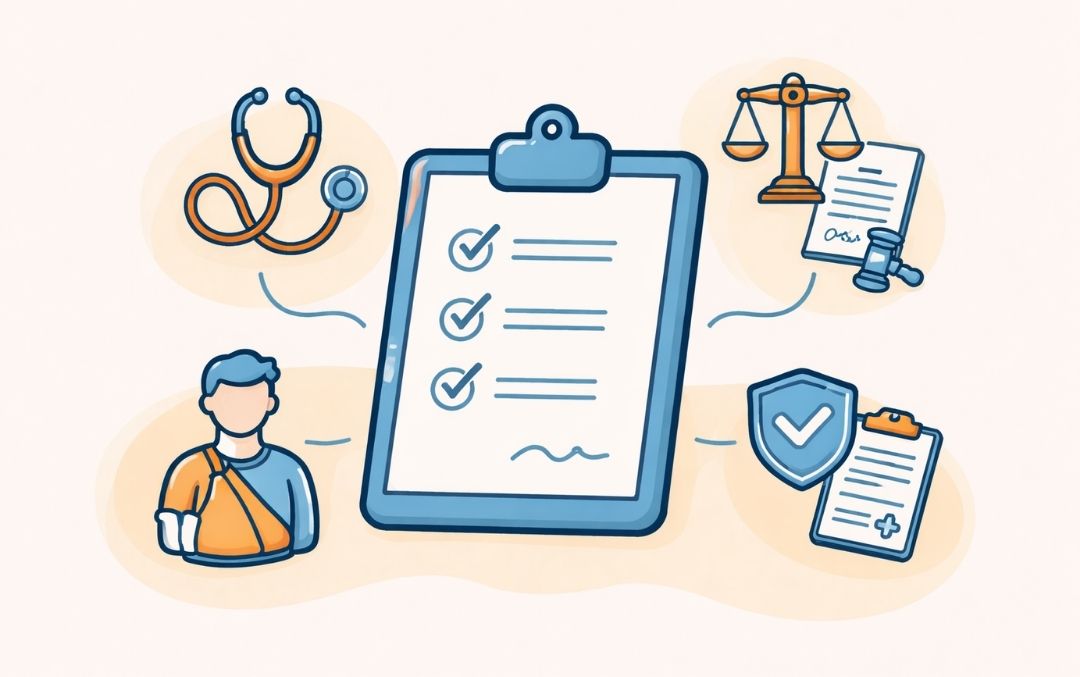
Recovery Often Involves a Team
Recovery after a motor vehicle accident rarely happens alone.
People may work with different professionals such as:
- physicians
- physiotherapists
- insurance representatives
- legal professionals
- counsellors
Each role supports a different part of recovery.
Counselling focuses on the psychological and nervous system impact of the accident — something that can easily be overlooked when the focus is only on physical injuries or paperwork.
One Small Tool That Can Help
When the nervous system is overwhelmed, the brain often tries to solve everything at once.
That usually makes things feel heavier.
One simple grounding tool is called “the next small step.”
Ask yourself:
What is the next small step I can take today?
Not the entire process.
Not the entire claim.
Just one step.
It might be:
- sending one email
- scheduling one appointment
- writing down symptoms
• asking someone for help with paperwork
Small steps help rebuild momentum.
Recovery rarely happens all at once.
It happens step by step.
Feeling Overwhelmed Does Not Mean You’re Doing It Wrong
One thing many people need to hear after an accident is this:
Feeling overwhelmed does not mean you are failing at recovery.
It often means your system is responding to something difficult and unexpected.
With the right support, clarity usually returns.
And from there, the next steps become easier.
Why I Created the Motor Vehicle Accident Recovery Program
Over time, working with people after motor vehicle accidents in Alberta, I noticed something.
Many people needed support before the system had fully caught up with them.
They were overwhelmed.
Still in shock.
Trying to understand what had happened.
But at the same time, they were often being asked to wait.
Wait for approvals.
Wait for paperwork.
Wait for the process to begin.
During that waiting period, many people were left carrying the emotional impact of the accident on their own.
That is one of the reasons I created the Motor Vehicle Accident Recovery Program at The Minds Matter.
The goal is simple.
To offer a space where people can:
- process the shock of the accident
- stabilize their nervous system
- understand what they are experiencing
- regain clarity about next steps
If you are navigating the aftermath of a motor vehicle accident and everything feels overwhelming, you don’t have to figure it out alone.
You’re welcome to learn more about the program or schedule a complimentary 30-minute consultation call with me.
That conversation is simply a space to talk about where you are and whether the support I offer might be helpful.
And if it isn’t the right fit, that’s okay too.
Sometimes the first step after something difficult is simply having someone hold space for where you are.
About the Author
Anjali Nagda is the lead clinician at The Minds Matter, a Canadian virtual mental health practice offering counselling and motor vehicle accident recovery support for individuals navigating the aftermath of collisions in Alberta.
Anjali Nagda
Anjali Nagda is the Founder and Lead Clinician at The Minds Matter. She is a Canadian Certified Counsellor (CCC) and Registered Clinical Counsellor (RCC), offering virtual counselling to adults across Canada.
Related Blogs
No related blogs available.