
Why Am I More Irritable After My Car Accident?
29 Apr 2026
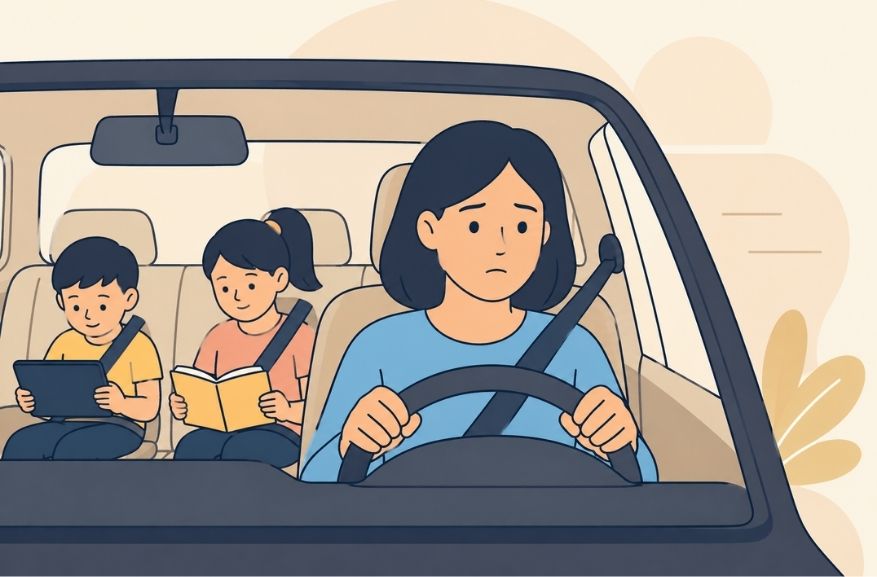
You’re back to your routine.
Work is moving.
Your kids still need you.
Life hasn’t paused.
But something has shifted.
You’re snapping faster than usual.
Small things feel bigger than they should.
Your patience runs out quicker than it used to.
And what makes it more confusing is this:
Nothing seems seriously wrong.
So you tell yourself:
- “This isn’t like me.”
- “Why am I reacting like this?”
- “I handled the accident fine.”
- “I just need to get it together.”
And then you try harder to be normal.
But the irritability doesn’t go away.
What irritability actually looks like (in real life)
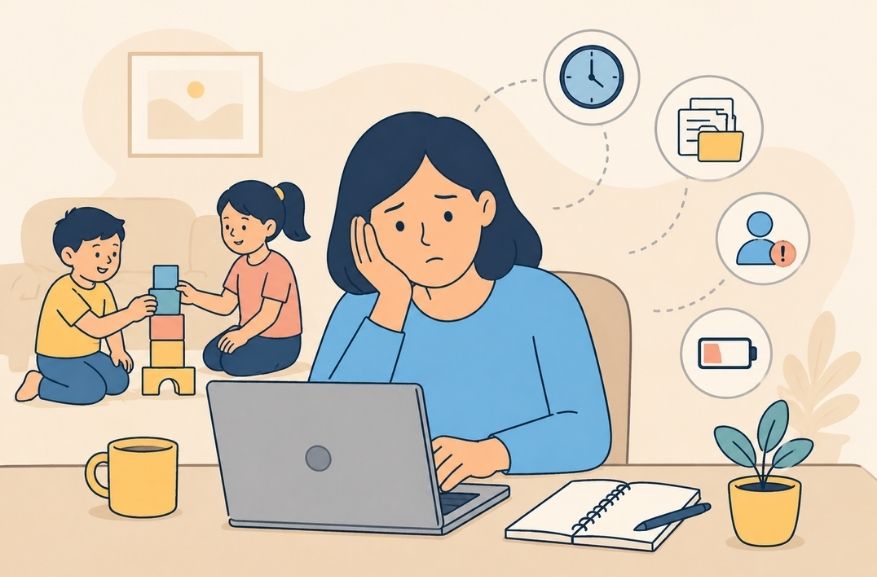
This isn’t explosive anger.
It’s constant, low-grade, and exhausting.
You might notice:
- snapping at your kids over things you used to play along with
- feeling like you don’t have the bandwidth to be present with them
- getting disproportionately stressed when your schedule shifts at work
- reacting strongly to last-minute changes you used to handle easily
- feeling like everyone is asking too much from you
- being more on edge while driving—especially with your kids in the car
- feeling triggered when someone jokes about your driving
- small inconveniences bringing a level of dread you can’t explain
You’re still functioning.
But everything is taking more effort than it should.
What you’re telling yourself (and why it’s not helping)
Most people don’t recognize this as a post-accident shift.
They think:
“I need to fix this.”
“I should be handling this better.”
“This is just stress.”
“I’m fine.”
So instead of understanding it, they override it.
And the more you override it…
the sharper the irritability becomes.
What’s actually happening underneath
Irritability is not a core emotion.
It’s what shows up when other things don’t get space.
After an accident, your system can hold:
- anxiety
- fear
- loss of control
- subtle shock
- a body that hasn’t fully settled
But if your life doesn’t slow down…
those don’t get processed — they get suppressed
And what leaks out instead is:
irritability
Not because you’re angry.
Because something hasn’t been given space.
Why this hits parents and working professionals harder
Because you don’t get the luxury of pause.
You still have:
- meetings
- deadlines
- children who need your attention
- a routine that expects you to keep going
So you go back to your pre-accident rhythm.
But your system hasn’t caught up.
Your baseline has shifted.
If earlier your system could operate at a steady 70…
now it might be at 50.
But you’re still expecting 70.
That mismatch shows up as:
- frustration
- overwhelm
- irritability
Not because you’re failing.
Because you’re pushing against a shifted capacity.
Why it shows up first in your closest relationships
You might notice:
- you’re holding it together at work
- but snapping more at home
That’s not random.
Your home is where you feel safest.
It’s where your system drops the effort of being “on.”
So everything that’s been held in all day…
shows up there first
Without context, this turns into:
- guilt with your kids
- tension with your partner
- a sense that something about you has changed
The small behaviour shifts that signal something’s off
This is where it gets easy to miss.
You might notice:
- more coffee just to get through the day
- alcohol or marijuana to switch off at night
- more scrolling because silence feels uncomfortable
- avoiding plans that require effort
Even things you used to enjoy shift.
Like spotting something on Facebook Marketplace and thinking:
“I’ll go pick that up.”
Earlier, that was easy. Maybe even fun.
Now?
You hesitate.
You delay it.
You decide it’s not worth the drive.
You stop going out unless absolutely necessary.
In places like Medicine Hat, where driving is part of daily life, that shift becomes noticeable quickly.
You’re still moving—but with more resistance than before.
What most people get wrong
They think:
“I need to control my irritability.”
But that’s not the work.
Because irritability is not the problem.
A clearer way to understand this
Irritability is a signal.
It’s your system saying:
“Something here hasn’t been addressed.”
If you ignore it:
- it builds
- it spills into relationships
- it affects your work
- it becomes your new baseline
Not dramatically.
But steadily.
What actually helps (without overcomplicating it)
Not pushing through harder.
Not forcing yourself to be calmer.
But understanding what has shifted.
That’s where a structured first session comes in.
What a first MVA counselling session gives you
At The Minds Matter, this is not about committing to therapy.
It’s a focused check-in.
In that session, we look at:
- what has changed since the accident
- where irritability is showing up
- how it’s affecting your work and relationships
- patterns that aren’t obvious yet
You also receive a Clinical Snapshot.
This includes:
- your current patterns and triggers
- functional impact across areas of life
- baseline indicators using brief screening tools
- a clear, non-diagnostic clinical impression
Why this matters:
- You stop second-guessing yourself
- You see your patterns clearly, in one place
- You get language for what’s happening
- You create an early, structured record of impact
This document is prepared by a Canadian Certified Counsellor and Counselling Therapist (ACTA-regulated) and can be used for your own clarity—or shared with your lawyer or insurer if needed.
Closing
Irritability after a car accident is not about anger.
It’s about something not being addressed.
And the more you try to control it without understanding it…
the more it stays.
You don’t need to “fix” your reactions.
You need to understand what your system is reacting to.
That’s where things actually begin to shift.
FAQs
Why am I more irritable after my accident even though I’m functioning fine?
Because functioning doesn’t mean your system has settled.
You may be keeping up externally while internally carrying unprocessed activation.
Why am I snapping more at my kids or partner?
Because those are your safest spaces.
Your system drops its guard there—and what’s been held in all day comes out.
Is this just stress?
It can feel like stress.
But when it starts after an accident and affects multiple areas of your life, it’s usually connected to that event.
Will this go away on its own?
Sometimes it softens.
But often it stays in the background—affecting how you function without being clearly addressed.
What does one counselling session actually do?
It helps you understand what’s changed—clearly and structurally.
Instead of guessing or pushing through, you get a grounded view of what’s happening.
How does the Clinical Snapshot help?
It creates a clear, early record of your psychological and functional state.
That helps with:
- your own clarity
- tracking change
- supporting your insurance or legal file if needed
Do I need a referral?
No.
You can book directly—no referral required.
What happens after the first MVA counselling session?
After your first session, you’ll have a clearer understanding of what’s actually changed since the accident—and how it’s affecting your work, relationships, and day-to-day functioning.
You’ll also receive a Clinical Snapshot, which organizes this into a structured, easy-to-understand format so you can see your current patterns and baseline clearly.
From there, you have two options:
- You can step into the MVA Recovery Program — a focused, 5-session process designed specifically to address the impact of the accident
- Or you can continue with standalone counselling sessions at your own pace
You don’t need to decide this in advance.
The first session gives you clarity first—so whatever you choose next is based on what actually fits you.

Anjali Nagda
Anjali Nagda is the Founder and Lead Clinician at The Minds Matter. She is a Canadian Certified Counsellor (CCC) and Registered Clinical Counsellor (RCC), offering virtual counselling to adults across Canada.
Related Blogs
No related blogs available.