
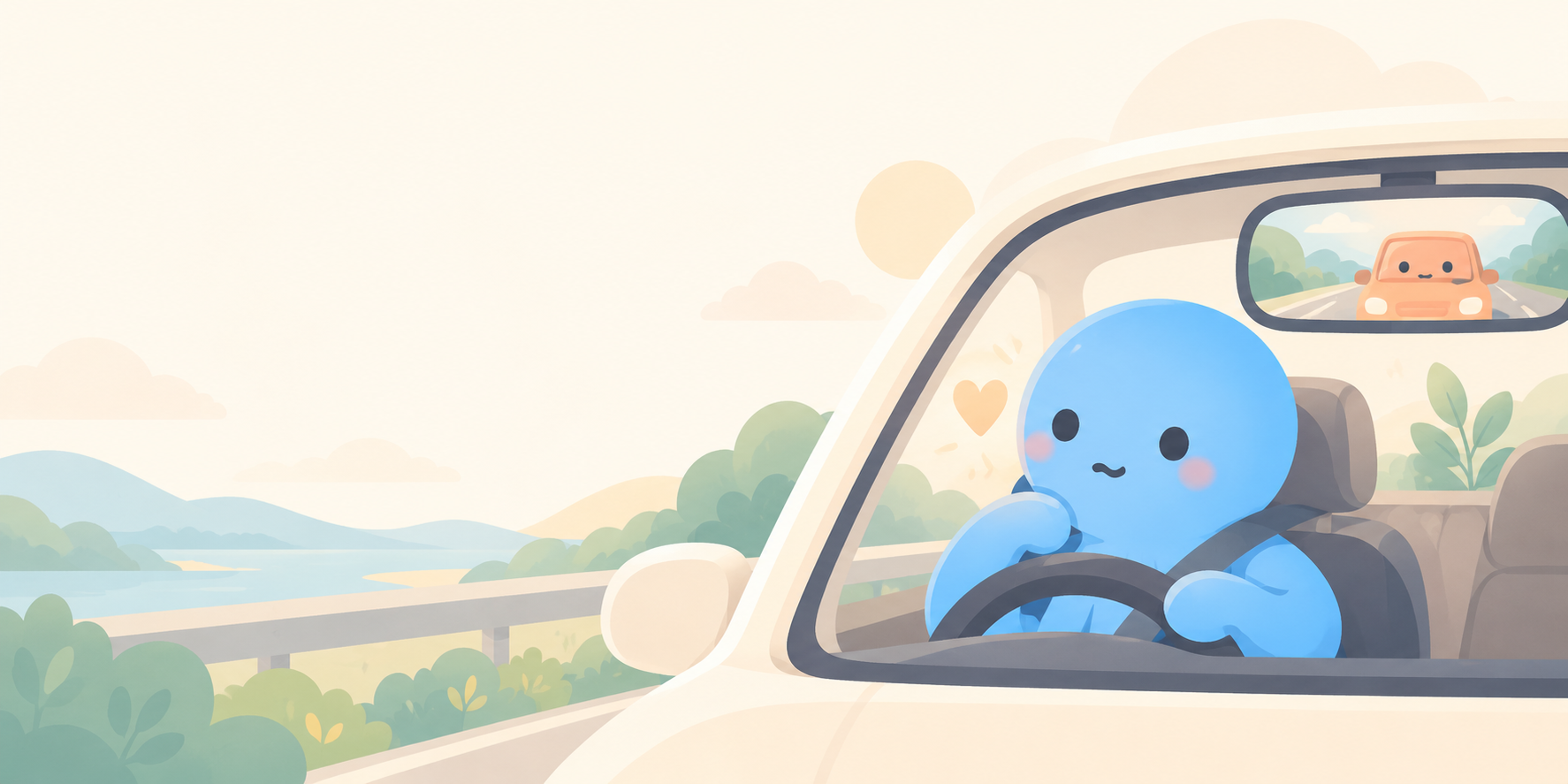
There is something particularly unsettling about being rear-ended. You are driving along, perhaps stopped at a light or moving with traffic, when suddenly another vehicle hits you from behind. You may not have seen it coming, and there may have been no time to brace yourself or prepare for what was about to happen.
Afterwards, people may look at the damage to your car and decide it wasn’t that bad. Perhaps the vehicle wasn’t written off, you were able to drive away, or the accident seemed relatively minor compared with what could have happened. But the experience can still leave a significant mark, because being rear-ended is not only about the damage you can see. It is also about the shock of being struck unexpectedly, the physical impact on your body, and what it can do to your sense of safety when you get back on the road.
When the impact comes from behind
When another vehicle hits you from behind, the impact can happen in a fraction of a second. Your body is moved by a force you did not anticipate, and you may have little or no opportunity to prepare for it. The physical effects can vary from person to person, but some people experience neck or back pain, stiffness, headaches, or other symptoms.
For some, the recovery process is not quick or straightforward. Appointments begin to shape the week, pain interrupts routines, and there may be days when symptoms are more manageable followed by days when they are not. While the physical impact is being addressed, another part of the experience can be unfolding quietly: the effect on a person’s sense of safety.
“I’ve got your back” — until your back is where the impact lands
We use the phrase “I’ve got your back” to describe protection, support, and reassurance. It speaks to the feeling that someone is looking out for us. But after being rear-ended, that sense of protection can feel shaken.
The impact came from behind — from a direction you may not have been watching. You were going about your day, and another vehicle suddenly entered your space with enough force to affect your body and your life. For some people I have worked with, this experience seems to change how they relate to the road behind them.
They may check the rearview mirror more frequently or become particularly aware of vehicles approaching quickly. A car following too closely or speeding up behind them can bring on a wave of tension, and they might grip the steering wheel more tightly, brace their body, or feel an urge to move out of the way. Some may even find themselves accelerating when they notice a vehicle approaching from behind.
These responses can be easy to dismiss. A person might tell themselves they are being overly cautious or that they should be over it by now. But when something unexpected has happened from behind, it can make sense that the space behind you becomes something you pay much closer attention to.
The road may look the same, and your car may be repaired. You may have returned to driving, but your experience of being on the road may have changed.
Back on the road doesn’t always mean feeling safe again
There is an important difference between being able to drive and feeling comfortable while driving. Someone may return to their usual routes and still feel guarded, able to get to work, attend appointments, and run errands while remaining alert to every vehicle approaching from behind. Driving can become an activity that requires much more effort than it used to.
Instead of simply travelling from one place to another, a person may find themselves continually monitoring what is happening around them. That constant vigilance can be exhausting, especially when the people around them assume that returning to the car means they have moved on.
They may hear comments such as, “At least you’re driving again,” or “It could have been so much worse.” Those statements may be intended to reassure, but they can also leave someone feeling that there is no room to talk about what is still difficult. Being back in the car does not mean the experience has stopped affecting you.
The anger that has nowhere to go
Another experience I have noticed among people recovering from being rear-ended is anger. There can be anger towards the person who caused the accident, as well as anger about the pain, the disruption, the appointments, the time away from work, or the changes to everyday life. There may also be frustration about how long recovery is taking — especially when the accident is described by others as minor.
Sometimes, people feel caught between what they are experiencing and what they believe they are allowed to feel. They may think about how much worse the accident could have been, feel grateful that they were not more seriously injured, and still feel angry about what happened. They may tell themselves that they have no reason to complain because someone else could have had a much more severe accident.
But these feelings can exist together. You can recognize that the accident could have been worse and still be upset about what happened to you. You can feel fortunate to have walked away and still grieve the pain, disruption, and loss of ease that followed.
Gratitude does not require you to dismiss your anger, and anger does not mean you are ungrateful. What matters is having a safe enough space to acknowledge what you are feeling, understand what it is connected to, and work through it without being rushed into minimizing the experience.
When recovery starts taking over your schedule
For many people, recovery becomes a second job. There are appointments to attend, treatment plans to follow, symptoms to monitor, and decisions to make about work and daily responsibilities. Physiotherapy or chiropractic appointments may be regular, while pain or headaches may affect concentration, sleep, energy, and the ability to make plans.
Even when each appointment is intended to help, the overall routine can become tiring. You may find yourself organizing your week around treatment, explaining your symptoms repeatedly, rearranging commitments, or managing the frustration of not knowing exactly when things will improve.
And when recovery takes longer than expected, it can bring another layer of emotional strain. You might wonder why you are still dealing with this, compare yourself with how you were before the accident, or feel impatient with your body and frustrated with the process. You may also worry about how long your life will continue to be organized around recovery.
These experiences are not separate from recovery. They are part of what a prolonged and disruptive process can feel like.
“It wasn’t that bad” can make it harder to speak up
One of the difficulties with accidents that appear less severe is that the visible damage can become the measure of how much someone is expected to be affected. If the car was not written off, if the person returned to driving, or if the injuries were not considered severe, they may feel pressure — from others or from themselves — to carry on.
But the appearance of the vehicle does not tell the whole story of a person’s experience. It does not tell you how their body feels weeks or months later, what happens when they see a car approaching quickly in the rearview mirror, or how much energy it takes to drive, attend appointments, manage pain, and continue with everyday life. And it certainly does not tell you what emotions they have had to set aside in order to keep going.
You do not have to prove that your accident was serious enough to deserve support. If it has affected you, that is worth paying attention to.
Making space for the parts of recovery people cannot see
Recovering from being rear-ended may involve more than treating physical symptoms or returning to your usual routine. It can also involve making sense of the shock, the anger, the changes in how safe you feel, and the effort it takes to navigate everyday life afterwards. This does not mean that everyone who has been rear-ended will experience these difficulties; people respond to accidents in different ways.
But if you recognize yourself in any of these experiences, you do not need to dismiss them because someone else thinks the accident was minor. You can be back on the road and still feel on guard. You can be receiving physical treatment and still need space to talk about the emotional impact. You can know that things could have been worse and still feel angry about what happened.
At The Minds Matter, I support people recovering from car accidents in making space for the physical, emotional, and everyday changes that can follow. That includes the experiences that may be difficult to explain — especially when, from the outside, it looks like you should be doing fine.
So, I want to leave you with a question: When the impact landed on your back, how has it been landing on you since? What has it changed about the way you feel in your body, the way you experience the road, or the way you move through your everyday life? And have you had the space and support to process what that impact has meant for you?
Your recovery does not have to be measured by how quickly you get back to driving, or by how little damage someone else thinks there was. If being rear-ended has changed how you feel in your body or on the road, you deserve to have that experience taken seriously — and you deserve support as you work through it.