
The Quiet After the Accident: Isolation & Loneliness During Motor Vehicle Accident Recovery
27 Jul 2026
There is a specific kind of quiet that often shows up after a motor vehicle accident. Not the peaceful kind, and not only the one where you’re lying in bed staring at the ceiling. It’s the kind where the phone doesn’t buzz quite as often anymore, where the group chat quietly carries on without you, and where you’re sitting in your living room at seven o’clock on a Saturday wondering if the television is the loudest thing happening in your life right now.
If you’re recovering from a road accident and you’ve been feeling more alone than you expected—even when you have people around you—you are not imagining it, and you are certainly not doing anything wrong. One of the surprising parts of recovery is that while the physical injuries often receive immediate attention, the emotional and social changes tend to arrive much more quietly. By the time you notice them, your world may already feel a little smaller than it used to.
The Loneliness Nobody Warns You About
You expected the pain. Maybe the appointments, the paperwork, or not driving for a while. What you probably didn’t expect was how quiet your world would become. Recovery isn’t always marked by dramatic moments. More often, it’s a collection of small changes that slowly begin to reshape your everyday life.
It’s turning down a match at the rec-centre because your body just isn’t up for it today. It’s watching your friends make weekend plans in the group chat and quietly realising you’ve stopped expecting to be included. It’s white-knuckling the passenger door while everyone else laughs about something on the radio, or saying no to coffee because your neck is screaming today and then feeling guilty over something that seems so small.
None of these moments look like a crisis from the outside. They simply look like a quieter calendar. But week by week, your world can become a little smaller, and if recovery has taken longer than you expected, it can feel as though life has quietly moved on without you.
What makes this loneliness different is that it isn’t only about being alone. It’s about carrying a version of your day that almost nobody else gets to experience. You’re the one speaking with insurance adjusters, keeping track of appointments, sitting in waiting rooms, noticing every small change in your body, and quietly wondering whether today feels any better than yesterday, that’s what perhaps makes this kind of loneliness so difficult to put into words.
When Nobody Quite Gets What You’re Trying to Say
You’ve probably tried.
Maybe with your partner, a parent. Maybe with a close friend. Somewhere halfway through explaining what the last few weeks have felt like, you probably caught yourself saying, “Never mind.” Not because you didn’t want to share, but because somewhere along the way it started feeling easier to carry it yourself than to find the right words.
Some experiences don’t arrive with neat language attached to them. How do you explain that you’re grieving the version of yourself who used to run errands without thinking twice? Or that the accident itself lasted only a few seconds, but your body still braces every time the car in front of you brakes a little harder than expected? Maybe you’ve even turned down an Oilers game at Rogers Place—not because you didn’t want to go, but because the thought of sitting there for three hours felt more exhausting than exciting.
The truth is, the people around you can care deeply about you, but they can’t remember your accident because they weren’t the ones who lived through it. That gap isn’t anybody’s fault (unfortunately), but it can leave you feeling like you’re constantly translating an experience that doesn’t quite fit into ordinary conversation.
Most people don’t want to become “the person who’s still talking about the accident.” After hearing “You’re still dealing with that?” once or twice, many people begin editing themselves. They or you — give the short version, change the subject, start saying “I’m doing okay” even when today’s been particularly difficult. Ironically, trying to protect the people around you from worrying too much often leaves you carrying much more of the recovery by yourself.
Finding Your Way Back to Other People
The isolation you’re feeling isn’t a character flaw. It’s often a natural response to something that changed your body, your routines, your confidence, and your sense of safety much faster than the people around you could adjust to. Recovery doesn’t just ask your body to heal. It quietly asks you to rebuild parts of your everyday life that used to happen without much thought.
Sometimes that begins with one honest conversation. Sometimes it’s finally telling a friend that you’re not avoiding them—you’ve simply been exhausted in ways that are difficult to describe. You might even discover that the people around you have been waiting for you to tell them what recovery has actually been like instead of assuming that everything was back to normal.
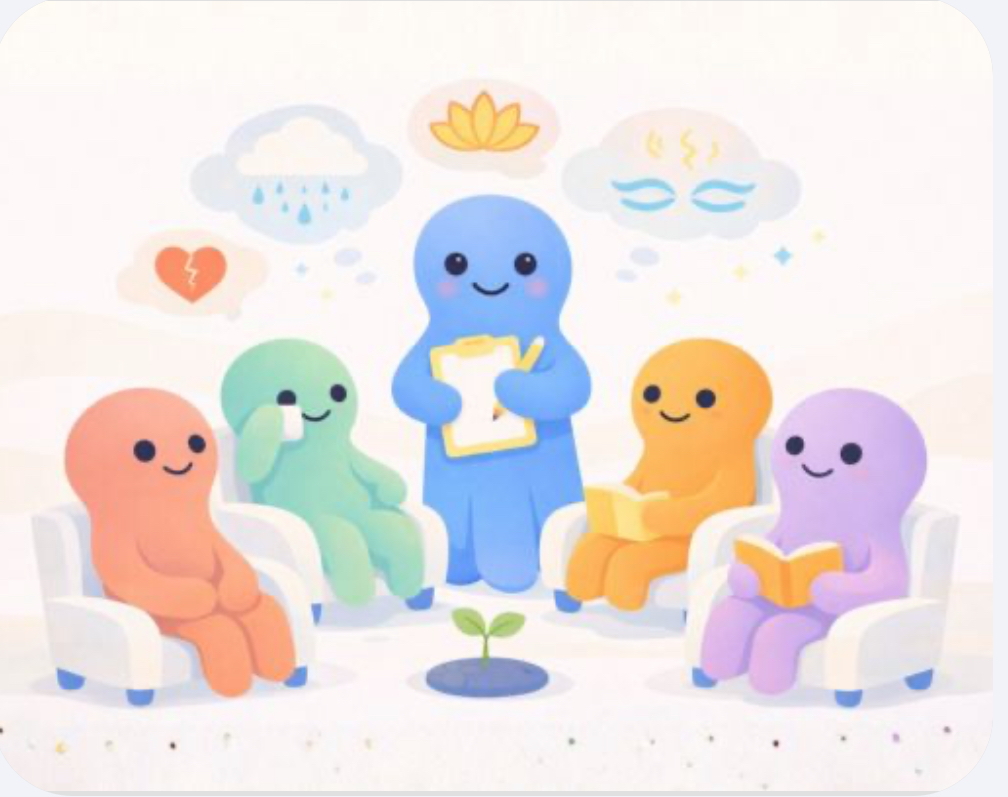
One of the reasons we’re creating recovery groups at The Minds Matter is because there are certain conversations that don’t always make it to the dinner table, and sometimes don’t even make it into treatment appointments. They’re the thoughts you have while driving home. They’re the worries that show up at two in the morning. They’re the small changes you’ve noticed about yourself that somehow never seem important enough to bring up, even though they’ve quietly changed the way you move through your day.
There is something deeply reassuring about sitting in a room with people who don’t need a long explanation before they understand why getting through the grocery store suddenly feels exhausting, why sitting in the passenger seat still makes you grip the door a little tighter than you used to, or why life can feel strangely smaller even when everybody keeps telling you how lucky you were. Sometimes the greatest relief isn’t receiving advice. Sometimes it’s simply hearing somebody else describe an experience you’ve been carrying silently for months and realizing, “I thought I was the only one.”
If this article felt familiar, I hope it reminds you of one thing: loneliness after an accident isn’t something you simply have to push through. It deserves conversation, understanding, and space. Sometimes it’s connecting with people whom you no longer have to explain why recovery has felt so lonely in the first place.

Anjali Nagda
Anjali specializes in supporting people recovering from motor vehicle accidents in Alberta through individual counselling and recovery support groups. 🌻
Related Blogs
No related blogs available.